Electrical Accident Prevention
⚡🔥 Electrical Accident Prevention, Fire Classes & First Aid
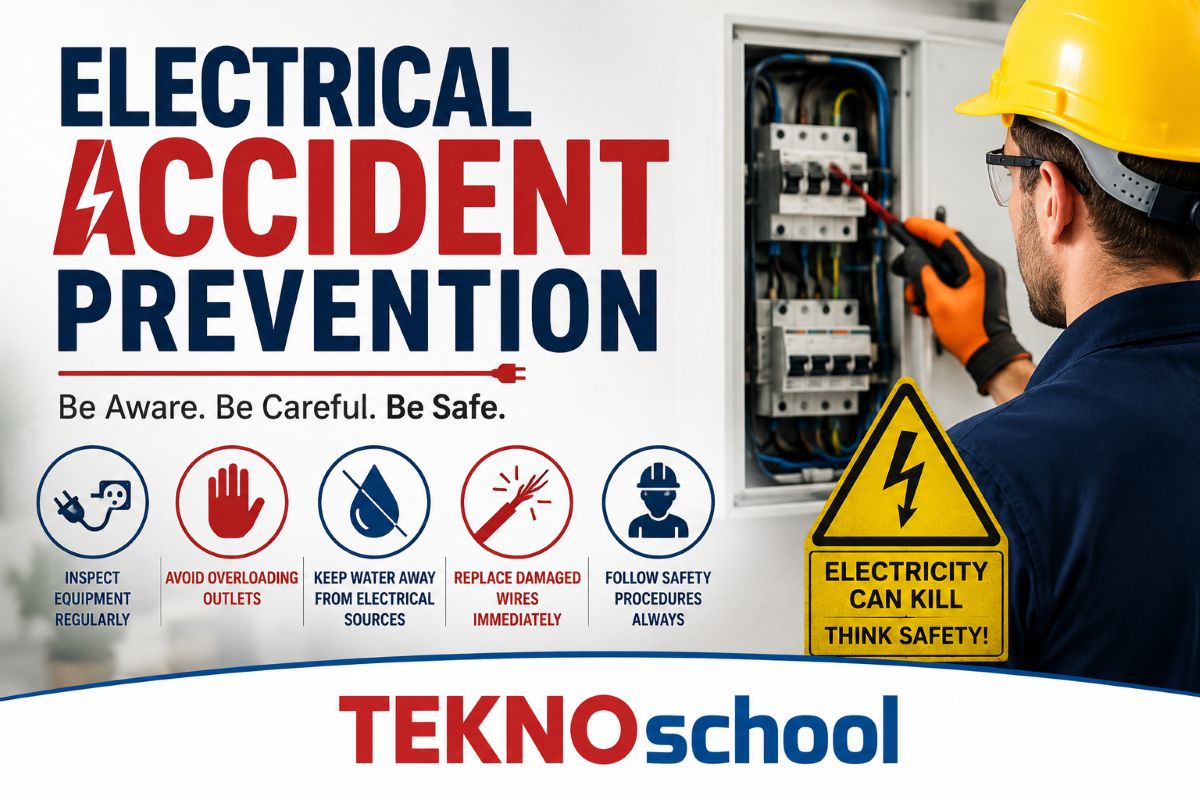
Electricity is a blessing when controlled — and a disaster when mishandled. In power utilities, industries, substations, and even homes, an electrical accident can occur in seconds. But the truth is simple: almost every electrical accident is preventable.
- Why electrical accidents happen
- How to prevent them
- Fire classifications (Class A, B, C, D, K)
- How to extinguish electrical fires safely
- How to treat electrical shock victims
⚡ 1. Why Electrical Accidents Happen
Electrical accidents occur due to predictable patterns. Understanding these patterns is the first step toward prevention.
🟥 A. Direct Causes (Unsafe Acts & Unsafe Conditions)
🔧 Unsafe Acts
- Working without authority
- Ignoring safety procedures
- Bypassing safety devices
- Using defective tools
- Working on live lines without line clearance
- Poor supervision
- Overconfidence, haste, negligence
🏚️ Unsafe Conditions
- Defective equipment
- Unguarded machines
- Poor illumination
- Slippery floors
- Snapped conductors
- Improper maintenance
- Unsafe design or construction
🟦 B. Indirect Causes (Human Limitations)
- Lack of knowledge or training
- Poor eyesight or hearing
- Fatigue, illness, stress
- Fear, nervousness, carelessness
- Arrogance or ego
- Overconfidence
Accidents don’t happen — they are caused.
🛡️ 2. How to Prevent Electrical Accidents (Practical & Effective)
Electrical accident prevention is a combination of good habits, safe equipment, and disciplined procedures.
🧹 A. Good Housekeeping Practices
- Keep passages and staircases clear
- Remove tools from walkways
- Clean oil or water spills immediately
- Dispose of sharp objects safely
- Store waste rags in proper containers
- Maintain uniform lighting
🦺 B. Use of Personal Protective Equipment (PPE)
Essential PPE
- Safety helmets
- Rubber gloves
- Safety shoes
- Safety belts/harness
- Safety goggles
- Insulated tools
- Earthing rods
- Mats and barriers
PPE Rules
- Inspect PPE before use
- Replace damaged PPE
- Keep PPE dry and clean
- Never store PPE with tools
- Use safety belts above 8 feet
- Use only approved operating rods
🧰 C. Safe Use of Tools & Ladders
Tools
- Use the right tool for the right job
- Discard defective tools
- Avoid makeshift tools
- Never use cracked handles or mushroom‑headed tools
Ladders
- Inspect before use
- Maintain a 75° angle
- The ladder must extend 3 feet above the landing
- Only one person at a time
- Ensure rubber shoes at the base
- Avoid ladders near live conductors
🌍 D. Public Safety Measures
- Use barricades, signs, and flags
- Provide red lights at night
- Protect open manholes and trenches
- Guide visitors safely
- Encourage the public to report hazards
🧠 E. Personal Safety Best Practices
✔️ DOs
- Use proper tools
- Maintain safe distances from live lines
- Treat all conductors as live
- Use insulated pliers and screwdrivers
- Keep a safe distance from rotating equipment
- Maintain discipline and avoid haste
❌ DON’Ts
- Don’t wear loose clothing
- Don’t use shoes with metal nails
- Don’t joke or distract others
- Don’t bypass safety devices
- Don’t assume equipment is dead — always test
🔥 3. Fire Classification — Class A, B, C, D, K Explained
Understanding fire classes is essential for choosing the correct extinguisher.
🟩 Class A — Ordinary Combustibles
🔥 Materials:
- Wood
- Paper
- Cloth
- Rubber
- Plastics
🧯 Extinguishers:
- Water
- Foam
- Dry Chemical Powder (DCP)
🟦 Class B — Flammable Liquids
🔥 Materials:
- Petrol
- Diesel
- Oils
- Paints
- Solvents
🧯 Extinguishers:
- Foam
- CO₂
- DCP
🟥 Class C — Electrical Fires
🔥 Materials:
- Energized electrical equipment
- Panels
- Switchgear
- Transformers
- Cables
- Motors
🧯 Extinguishers:
- CO₂ (best)
- Dry Chemical Powder (DCP)
⚠️ Never use water — it conducts electricity.
🟨 Class D — Metal Fires
🔥 Materials:
- Magnesium
- Sodium
- Potassium
- Aluminum powder
🧯 Extinguishers:
- Special Dry Powder (Metal Fire Powder)
🟫 Class K (or F) — Cooking Oil Fires
🔥 Materials:
- Vegetable oils
- Animal fats
- Commercial kitchens
🧯 Extinguishers:
- Wet Chemical Extinguishers
🔥 4. How to Extinguish Electrical Fires (Class C)
Electrical fires require special handling.
🟥 A. NEVER Use Water
Water conducts electricity and can cause electrocution.
🟦 B. Use the Correct Extinguishers
✔️ CO₂ Extinguisher
- Best for electrical panels
- Leaves no residue
- Safe for control rooms
✔️ Dry Chemical Powder (DCP)
- Effective for switchgear, transformers, and cables
- Cuts off the oxygen supply
🟧 C. Steps to Extinguish an Electrical Fire
- Switch off the power supply immediately
- Use a CO₂ or DCP extinguisher
- Aim at the base of the fire
- Use short bursts
- Evacuate if fire spreads
- Call emergency services
🟩 D. Preventing Electrical Fires
- Tighten loose connections
- Avoid overloading circuits
- Maintain transformers and switchgear
- Replace damaged cables
- Keep flammable materials away from electrical panels
🩺 5. How to Treat Electrical Shock Victims (First Aid Guide)
Electrical shock can cause burns, cardiac arrest, or respiratory failure.
Immediate action saves lives.
🟥 A. DO NOT Touch the Victim Directly
They may still be in contact with live electricity.
🟦 B. Disconnect the Power Source
- Switch off the main breaker
- Pull the plug
- Use a dry wooden stick to push the victim away
🟩 C. Check for Breathing & Pulse
If the victim is not breathing:
✔️ Start CPR
- 30 chest compressions
- 2 rescue breaths
- Continue until help arrives
🟧 D. Treat Burns
- Cool the burn with clean water
- Do NOT apply ointments or ice
- Cover with a sterile cloth
🟨 E. Keep the Victim Calm & Still
Electrical shock can cause internal injuries.
🟫 F. Call Emergency Medical Help Immediately
Even if the victim appears normal, internal damage may exist.
🌟 Final Thoughts
Electrical safety is not just a rule — it is a culture.
A culture built on:
- Awareness
- Discipline
- Training
- Respect for electricity
When workers follow procedures, use PPE, maintain equipment, and stay alert, accidents become rare — and lives are saved.
Electricity demands respect.
Safety demands commitment.
Together, they create a workplace where everyone goes home safe.