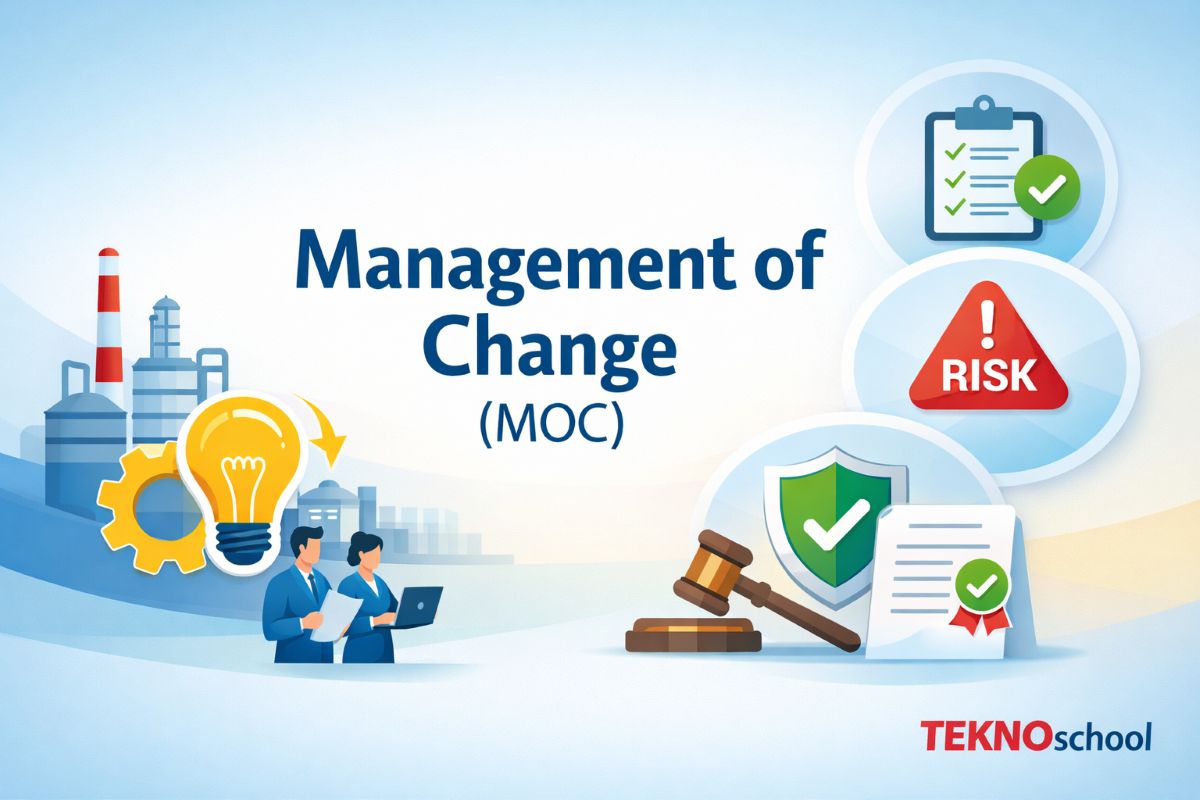
Management of Change
🌟 CHANGE MANAGEMENT & MANAGEMENT OF CHANGE (MoC): The Art of Evolving Without Breaking
Change is not a disturbance — it is the heartbeat of progress. Whether you run a power plant, a chemical unit, a manufacturing line, or a distribution utility, one truth remains universal: systems must evolve, but safely. That is where Change Management and Management of Change step in like disciplined guardians, ensuring that improvements happen without creating chaos, accidents, or confusion.
In today’s fast‑moving industrial world, change is everywhere — new technology, new regulations, new customer expectations, new safety norms, and new business models. If organisations don’t adapt, they fall behind. But if they adapt recklessly, they risk failures, downtime, and hazards.
This delicate balance is exactly why MoC exists.
🔥 Why Change Management Matters
Change is not just about replacing an old system with a new one. It is about people, processes, equipment, culture, and risk control.
Here’s why it has become a non‑negotiable requirement:
- 🌐 Technology evolves faster than organisations
- ⚡ Power and process industries demand zero downtime
- 🛡️ Safety regulations are becoming stricter
- 👥 Workforce expectations are changing
- 📉 Uncontrolled changes lead to accidents, failures, and financial loss
A well‑designed change management system ensures that every modification — big or small — is evaluated, approved, communicated, and implemented safely.
🧩 What Exactly Is Management of Change (MoC)?
MoC is a structured, step‑by‑step method used to control modifications in:
- Equipment
- Processes
- Technology
- Materials
- Software
- Procedures
- Organisation structure
- Safety systems
It ensures that no change enters the system without proper risk assessment and authorisation.
Think of MoC as a disciplined gatekeeper that asks:
“Is this change safe? Is it necessary? Who will be affected? What could go wrong? Who approves it?”
🏗️ Types of Changes in an Organisation
🟦 1. Permanent Changes
Long‑term modifications such as new equipment, new software, or new process parameters.
🟩 2. Temporary Changes
Short‑term adjustments such as bypassing an interlock, using alternative materials, or temporary piping.
🟧 3. Emergency Changes
Urgent modifications required to prevent breakdowns or hazards — still need MoC, but with fast‑track approval.
🟨 4. Organisational Changes
New reporting structures, new roles, new responsibilities, or new contractors.
🛠️ The 10‑Step MoC Process (Simple & Practical)
Below is a clean, industry‑friendly MoC workflow:
1️⃣ Initiation of Change Request
📝 Someone identifies the need for change — a supervisor, engineer, operator, or safety officer.
A formal Change Request Form is raised.
2️⃣ Description of the Proposed Change
📌 What exactly is changing?
📌 Why is it needed?
📌 What problem does it solve?
Clarity at this stage avoids confusion later.
3️⃣ Impact Assessment
This is the heart of MoC.
The team evaluates:
- 🔥 Safety impact
- ⚙️ Equipment impact
- 🧪 Process impact
- 👥 Manpower impact
- 📚 Training needs
- 💰 Cost impact
- 🧯 Emergency preparedness
- 📊 Regulatory compliance
4️⃣ Risk Analysis (HAZOP / JSA / What‑If)
A structured risk study is performed to identify:
- Possible failures
- Consequences
- Safeguards
- Additional controls required
5️⃣ Approval & Authorisation
The change is reviewed and approved by:
- Department Head
- Safety Team
- Engineering Team
- Quality Team
- Plant Manager
No change moves forward without signatures.
6️⃣ Communication to All Stakeholders
📣 Operators, technicians, contractors, and supervisors must be informed.
A change not communicated is a change not controlled.
7️⃣ Training & Competency Check
Before implementation:
- New SOPs are issued
- Toolbox talks are conducted
- Operators are trained
- Competency is verified
8️⃣ Implementation of Change
The modification is carried out in accordance with the approved plan.
Safety precautions and permits (PTW, LOTO, Hot Work) are followed.
9️⃣ Post‑Implementation Review
After the change:
- Is the system stable?
- Are there any deviations?
- Are operators comfortable?
- Are risks eliminated?
This ensures the change is working as intended.
🔟 Documentation & Closure
All records are updated:
- Drawings
- SOPs
- Manuals
- Asset registers
- Safety files
The MoC is officially closed.
🌈 Benefits of a Strong Change Management System
⭐ 1. Zero Surprises
Every change is planned, reviewed, and controlled.
⭐ 2. Improved Safety
Accidents reduce drastically when changes are evaluated scientifically.
⭐ 3. Better Reliability
Equipment and processes become more stable.
⭐ 4. Higher Productivity
Smooth transitions mean less downtime.
⭐ 5. Strong Compliance
Auditors love organisations with robust MoC systems.
⭐ 6. Confident Workforce
People feel secure when changes are communicated clearly.
🚧 Common Mistakes Organisations Make
- ❌ Making changes informally
- ❌ Not documenting temporary changes
- ❌ Bypassing safety systems without approval
- ❌ Poor communication
- ❌ Not updating SOPs
- ❌ Rushing emergency changes
- ❌ No training before implementation
These mistakes often lead to incidents, equipment damage, or regulatory penalties.
🌟 Best Practices for Effective MoC
- 🟢 Use a standard MoC form
- 🟢 Maintain a digital MoC tracking system
- 🟢 Train all employees annually
- 🟢 Review temporary changes weekly
- 🟢 Conduct audits of closed MoCs
- 🟢 Involve cross‑functional teams
- 🟢 Never allow undocumented changes
🚀 The Future of Change Management
Industries are moving toward:
- AI‑based risk prediction
- Digital MoC dashboards
- Automated approval workflows
- Real‑time impact simulations
- Smart sensors for change monitoring
The future is faster, safer, and more intelligent — but only for organisations that embrace structured change management.
🌟 Final Thoughts
Change is not the enemy — uncontrolled change is.
A strong Change Management or MoC system ensures that organisations grow, innovate, and modernise without compromising safety, reliability, or stability.
In a world where technology, regulations, and customer expectations evolve daily, the organisations that master MoC will always stay ahead.